
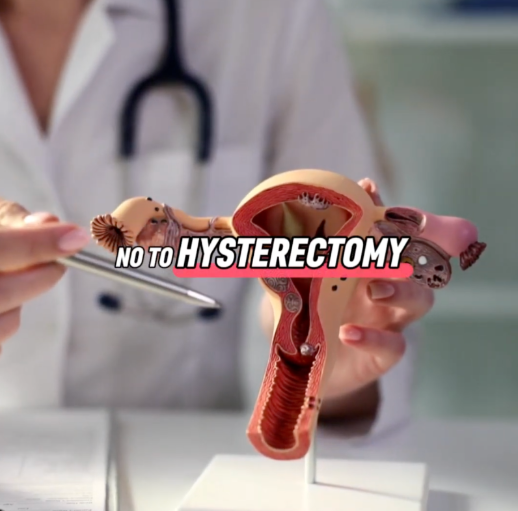
Marketing for Uterine Fibroid Embolization (UFE) practices
Fibroid campaigns that educate women on minimally invasive alternatives to hysterectomy.
Patient demand
Build demand around the patient problem, not only the procedure name.
- Women with fibroids may hear about hysterectomy, myomectomy, medication, or watchful waiting before learning about UFE.
- Education needs to connect UFE with the symptoms patients experience, including bleeding, pressure, anemia, pain, and recovery concerns.
- Follow-up moves patients from symptom education to scheduling while keeping clinical screening and insurance questions organized.
Procedure-line challenge
What has to be solved before volume can scale
Education, campaign strategy, intake support, and reporting work together to create qualified consult flow.
Patients do not know the procedure name
Campaigns need symptom-led messaging before they can rely on procedure-specific demand.
Clinical complexity
Content must be understandable without oversimplifying candidacy, risk, or next steps.
Follow-up quality
Practices need a reliable way to respond, qualify, schedule, and report on patient demand.
Patient Pro approach
Campaigns, creative, and intake built around consult quality
Education-led campaigns help women compare treatment paths, understand a uterus-preserving option, and request a consultation confidently.
Procedure-specific patient journey from first click to consultation opportunity.
Automation supports speed while trained people handle patient-facing steps.
Reporting follows bookings, consults, and procedure opportunity—not only leads.
Procedure-specific campaigns
Reach patients through the symptoms and treatment questions that come before a procedure search.
Clear patient education
Turn clinical expertise into landing pages, physician content, and practical next steps.
Intake and reporting
Connect response, qualification, scheduling, and outcome reporting around consult quality.
Related resources
Next places to understand the growth system.
Explore adjacent procedure lines, the services that support patient acquisition, and proof from active campaign launches.
your clinic.